
Low-Income Families Can Get Health Insurance
There is no reason if you are low income to not have health insurance coverage in Nevada. Being in a low-income bracket doesn’t mean hospitals and doctors will provide services for free. To the contrary, they want to get paid! There is no guarantee that you won’t face a serious injury or illness, and you might find yourself with a overwhelming amount of medical bills.
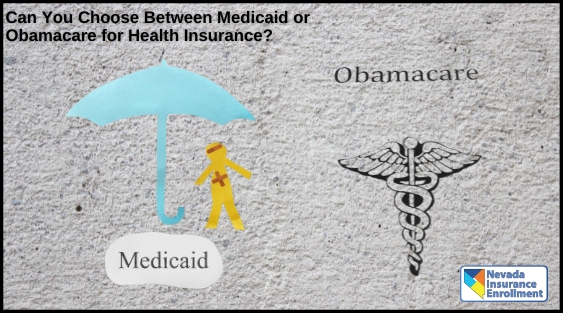
The good news is that even those with very limited incomes can get low-cost health insurance or even free medical coverage through the Affordable Care Act’s Marketplace health insurance plans, often referred to as Obamacare, or through Nevada Medicaid. While both ACA (Obamacare) insurance plans and Medicaid help reduce or eliminate your medical costs (you don’t have to cover your medical expenses all on your own,) these two programs are vastly different from one another, and your income and family size will determine which type of coverage you are eligible for.
The Difference Between ACA Obamacare Health Insurance and Medicaid
Obamacare is typically a term used to refer to private health insurance that is purchased through a health insurance exchange (Nevada Health Link). These plans are not provided by the government but are instead covered by health insurance companies like Health Plan of Nevada or Ambetter. While these health insurance plans are not run by the government, they are required to comply with government regulations, namely, the ACA’s 10 essential health benefits.
Medicaid, on the other hand, is a health insurance program that is jointly funded by the federal government and the state government. This government program is a social welfare program and applicants are generally required to have an income lower than 138% of the “Federal Poverty Level” to qualify for Medicaid coverage. While 75% of Medicaid enrollees have managed care plans that are administered by private insurers, these insurers contract with the government to provide Medicaid benefits.

Enrolling in Obamacare Health Insurance vs. Medicaid
Those whose annual income is between 138% + of the federal poverty level may qualify for a Government “subsidy” to help cover the monthly cost of a health insurance plan. You can begin your application for an “On Exchange” (Obamacare) health insurance plan with a “subsidy” by calling your local agent here at Nevada Insurance Enrollment. If your income is too high, you will most likely be responsible for the entirety of your monthly premium, and we’ll help you choose an “Off Exchange” health insurance plan. Those whose income is less than or up to 138% of the FPL (federal poverty level) may qualify for free health insurance coverage through Medicaid. Unlike Obamacare plans, Medicaid health coverage begins immediately upon acceptance into the program. In some cases, such as during pregnancy, coverage may even be retroactive and cover medical care received prior to enrollment. Because Medicaid is for those with low income, there is typically no cost-sharing (money you must pay) responsibilities out of pocket.
Understanding Which Health Insurance Coverage You Should Apply For at Nevada Insurance Enrollment
Wading through the different types of health insurance options that are available can be a challenge, especially when you have a budget to consider. Choosing Medicaid or Obamacare is not something you can do. Qualifying for Medicaid or Obamacare is based on your income and family size. That’s not something you can decide as it is pre-calculated by your income. Fortunately, our health insurance agents specialize in helping people in all income brackets find the best coverage for their needs and budget. At Nevada Insurance Enrollment, our health insurance agents help you without any costs to you. Their help will NOT raise your costs and they can help you find and apply for health insurance coverage for an Obamacare plan OR enroll you into a health insurance plan “Off Exchange” (without a Government subsidy).
Recent Posts

Does Health Insurance Cover Drug Rehab?
Many who struggle with substance abuse, also struggle with mental health disorders like depression, anxiety, and bipolar disorder. Often, treatment will include medication, therapy, and rehab for both provided it’s medically necessary.

You Can Still Buy Health Insurance From a Local Agent
The way health insurance is being marketed may give you the wrong impression that Nevada Health Link is the ONLY place to buy health insurance these days, but that is NOT the case. You can continue to buy your health insurance from the same agents and agencies you’ve always bought your health insurance from.

Is Health Insurance Worth The Cost?
If you experience a more extensive medical emergency and require hospitalization, hospital bills may quickly become a burden. A three-day stay, for example, could set you back about $60,000 depending on what tests are ordered and what happens during your stay.
Search This Website
Most Popular Pages
By page visits (this month)
#1) Health Insurance Subsidy Chart
#2) Health Insurance
#3) Health Insurance WITH a Subsidy
#4) Insurance Blog
#5) Request a Quote
Top 5 Most Popular
By page visits (this month)
#1) Health Insurance Subsidy Chart
#2) Health Insurance
#3) Health Insurance WITH a Subsidy
#4) Insurance Blog Posts
#5) Request a Quote
Recent Posts
What is a Co-Pay?
A health insurance “Co-pay” is a set dollar amount you pay for a procedure or office visit (look at your plan summary very carefully). A co-pay is helpful because you’ll GENERALLY pay just the co-pay (unless other procedures are billed by your doctor in addition to the co-pay).
Are Breast Reductions Covered by Health Insurance?
Breast reduction surgery is a common procedure that involves removing fat, tissue and skin to reduce the overall breast size. Depending on your reasons for seeking this procedure, it can have a big impact on your comfort, health and quality of life.
Things Potentially NOT Covered By Your Health Insurance
To be fair, in recent years, health insurance companies have made strides towards transparency. If you have an ACA-compliant plan, there are many services that your health insurance is legally required to cover, taking some of the guesswork out of budgeting for health expenses.
Medical Loss Ratio
This Medical Loss Ratio states that when a family or individual buys a medical plan, 80% of every dollar collected and paid to an insurance company MUST pay medical claims/research. So that leaves the insurance company to pay ALL of their expenses with the remaining 20%. .20 cents on the dollar for their employees, buildings, broker costs, etc.