
Different Coverages Available for Trailer Insurance
You have an auto insurance policy that covers damage to your vehicle, but what if you regularly use your vehicle to pull your trailer? Does that trailer have the same coverage as your car or truck?
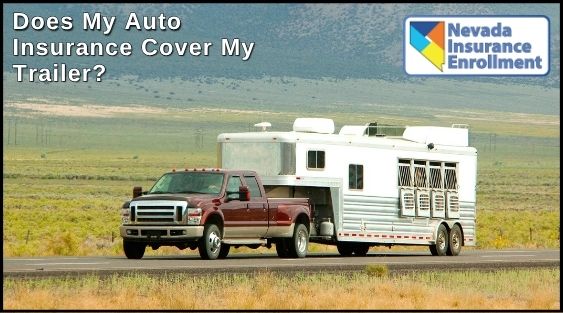
Generally speaking, your auto insurance’s liability coverage will extend to your trailer. This means that if, for example, you’re pulling your trailer and it sways and hits another vehicle, your liability coverage would cover the damage sustained to the other person. However, even if you have comprehensive and collision coverage on your policy, you would be on the hook for covering any damage done to your trailer or its contents. If you want to ensure that you are financially protected if your trailer or its contents are damaged in an accident that is your fault, you’ll want to purchase trailer insurance.

Trailer Insurance for Every Type of Trailer
Almost any trailer can be insured, whether it’s used for personal or business use. The most common types of trailers that you can purchase insurance for include:
Personal Use:
- Bike trailers
- Car trailers
- Horse trailers
- Boat trailers
- Cargo trailers
- Camping trailers
Commercial Use:
- Semi-trailers
- Flatbed trailers
- Utility trailers
- Concession trailers
- Bulk commodity trailers
It’s important to ensure that you have the right type of coverage for your trailer. If your trailer insurance provides coverage for personal use and you are responsible for an accident while using your trailer for business purposes, your insurance coverage may not apply. You must have proper coverage. Your auto insurance agent can review your needs and help you decide what type of coverage is right for you.
continued below ⇓
Recent Posts

You Can Still Buy Health Insurance From a Local Agent
The way health insurance is being marketed may give you the wrong impression that Nevada Health Link is the ONLY place to buy health insurance these days, but that is NOT the case. You can continue to buy your health insurance from the same agents and agencies you’ve always bought your health insurance from.

Is Health Insurance Worth The Cost?
If you experience a more extensive medical emergency and require hospitalization, hospital bills may quickly become a burden. A three-day stay, for example, could set you back about $60,000 depending on what tests are ordered and what happens during your stay.

What is Co-Insurance?
Co-insurance means two parties will be paying for the bill. “Co” means joint, mutual, two, or more. The health insurance company will usually pay the larger amount (example 70%) and you as the member will usually pay the lesser amount (example 30%). This would be considered co-insurance 70/30. This (co-insurance) usually happens AFTER the deductible is met.
Auto Insurance Quotes
1). By Phone
(702) 898-0554
2). Online Quote
3). In Person
4260 W. Craig Road #150-A
N. Las Vegas, NV 89032
What Does My Trailer Insurance Cover?
Trailer insurance is similar to your standard auto policy in that it is generally comprised of three main types of coverage.
Liability Coverage:
If you are responsible for an accident, your liability coverage will pay for the damage caused to the person, vehicle, or structure that you hit, up to your policy limits. It does not cover damage caused to your trailer or its contents. Your current auto insurance policy’s liability coverage may or may not already extend to your trailer. Talk to your auto insurance agent to review your policy and decide if additional liability coverage is needed.
Collision Coverage:
If your trailer is damaged during a collision with another vehicle, then the collision coverage will help pay for damage sustained to your trailer if it’s your fault.
Comprehensive Coverage:
Your comprehensive coverage takes care of other types of damage that aren’t sustained in an accident. If a tree falls on your trailer or it’s vandalized or stolen, then this type of coverage will help you pay for damages.
In addition to these three types of coverage options, you can also purchase contents coverage for your trailer. As its name suggests, this coverage helps to pay for damage to the items covered by your trailer. For example, say that you’re moving to a new home and you’re transporting personal belongings in your trailer. If your belongings are damaged in a collision or they’re stolen from the trailer, your contents coverage would help you replace those items. You can also ask your agent about your personal items with your homeowner’s policy too.
continued below ⇓
Search this website
Our Most Popular Pages
By page visits (this month)
#1 - How Much Auto Insurance Coverage Do You Need?
#2 - Farmers Insurance - Shelly Rogers Agency
#3 - Does My Age and Gender Affect My Auto Insurance Premium?
#4 - Auto Insurance
#5 - Does Auto Insurance Follow You or Your Vehicle?
Getting The Right Insurance Coverage With Nevada Insurance Enrollment
Having the right insurance policy is an important way to protect yourself from financial hardship. If you have a trailer, talk to an auto insurance agent at Nevada Insurance Enrollment to ensure that your coverage is right for you.