
Health Insurance May Not Cover MRIs In Every Circumstance
Determining whether your health insurance will cover certain procedures can help you control your healthcare costs and make financially sound decisions regarding the services you obtain. While MRIs are generally covered by health insurance, it is left to the discretion of your health insurance company to decide whether the test is medically necessary. If your provider determines that it is not, then you may pay for the procedure out-of-pocket.
What is an MRI?
Magnetic Resonance Imaging
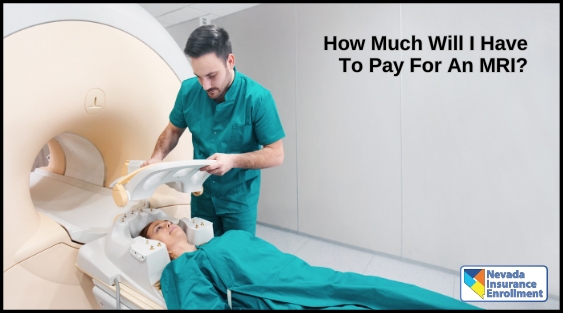
An MRI, is a noninvasive medical imaging test that produces detailed images of almost every internal structure in the human body, including the organs, bones, muscles and blood vessels. MRI scanners create images of the body using a large magnet and radio waves.
How Much Do MRIs Cost?
Medical imaging is expensive, but how much you pay for a test ranges widely depending on the healthcare provider and health care prices in your region. On average, fees typically range between $500 and $3,000, but your bills may be even higher.
If your health insurance company determines that an MRI is medically necessary, then the test is typically covered. However, this does not necessarily mean that it will cost you nothing. Depending on your health insurance plan, you may have to meet a deductible before your policy pays for anything while some insurance plans you will pay a co-pay. If you do not have a co-pay, and you have already met your deductible, you would pay a percentage of the price, called coinsurance. If you have met your “out of pocket maximum” this means you are not required to pay anything for the remainder of the calendar year. The “out of pocket maximum” is the most you will pay for anything medically necessary for the remainder of the year, and this includes prescriptions. You would want to look at your policy’s “Summary of Benefits” for further information regarding your plan.
The portion of the cost your health insurance pays also depends on whether you see an in-network provider. Many health insurance plans have network providers that agree to the plan’s payment terms. If you have an HMO, your health insurance usually only pays for care you get from an in-network provider. If you get services from an out-of-network provider, you generally pay the entire bill, because HMO plans do not have coverage out of their network. If you have a PPO, your policy covers care from out-of-network providers, but you pay much less if you stay in-network.

How to Find Out If Your MRI Is Covered
The best way to determine whether your MRI is covered is to call the number on the back of your insurance card under “member services” to discuss your portion of payment that may be necessary. It is important to remember that your health insurance company will usually tell you how much your co-pay, deductible, and/or co-insurance would be. They most likely will not be able to discuss the contracted rate before the procedure. Your member services department can give you an idea as to how much you’ll pay so you can plan accordingly.
What To Do If Your MRI Is Not Covered
If you have to pay for an MRI out of pocket, your best option is to call around and get quotes from local providers. Your city’s cost of living significantly influences the affordability of healthcare services, but even within a single city, costs can range drastically. Many providers have sliding fee schedules or flexible payment plans for self-paying clients.
Getting Great Health Insurance with Nevada Insurance Enrollment
Comprehensive health insurance can help you obtain necessary medical services without financial hardship. At Nevada Insurance Enrollment, our health insurance agents help you assess your needs and budget and enroll in the best policy for you.
Recent Posts

HRA vs Employer Sponsored Health Insurance
An employer-subsidized plan is a sensible option for employees. Not only does the employer pay at least 50% of the employee’s premium, but the remaining premium is tax-free and taken directly from the employee’s pay.

Can You Choose Between Medicaid or Obamacare for Health Insurance?
The good news is that even those with very limited incomes can get low-cost health insurance or even free medical coverage through the Affordable Care Act’s Marketplace health insurance plans, often referred to as Obamacare, or through Nevada Medicaid.

Saving Money on Health Insurance With Negotiated Pricing
The majority of health insurance companies have a contract with a network of hospitals and other providers. In this contract, there are negotiated rates for different services. This negotiated rate is generally lower and sometimes significantly lower than what a provider would charge someone who is paying out of pocket.
Search This Website
Most Popular Pages
By page visits (this month)
#1) Health Insurance Subsidy Chart
#2) Health Insurance
#3) Health Insurance WITH a Subsidy
#4) Insurance Blog
#5) Request a Quote
Top 5 Most Popular
By page visits (this month)
#1) Health Insurance Subsidy Chart
#2) Health Insurance
#3) Health Insurance WITH a Subsidy
#4) Insurance Blog Posts
#5) Request a Quote
Recent Posts
Health Insurance Deductible
A deductible is an amount you pay before the Insurance Company starts paying. Health insurance plans will have different deductibles. You’ll be expected to pay the whole medical bill out of your own pocket until you’ve paid your deductible.
Out of Pocket Maximum
Your out-of-pocket maximum is the most you’ll have to pay for covered services in a policy period (one year), each January 1st it starts over again, and that includes cost of medications too. After you reach this amount, your health insurance plan will pay 100%.
Qualifying Life Event
If you experience a major life change, then such a change is often considered a qualifying life event. Such life events affect your existing health insurance coverage and can make you eligible to change your coverage during the special enrollment period.
Signs You Should Go See Your Doctor
Sometimes, deciding whether to see a doctor is a gray area, but it’s better to err on the side of caution. If you are experiencing a serious injury or illness, it is easy to justify making a call to your local medical office. However, it is important to remember that early detection generally leads to better outcomes.