Health Insurance May Not Cover MRIs In Every Circumstance
Determining whether your health insurance will cover certain procedures can help you control your healthcare costs and make financially sound decisions regarding the services you obtain. While MRIs are generally covered by health insurance, it is left to the discretion of your health insurance company to decide whether the test is medically necessary. If your provider determines that it is not, then you may pay for the procedure out-of-pocket.
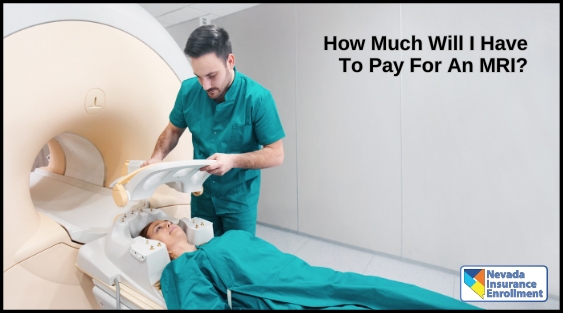
What is an MRI?
Magnetic Resonance Imaging
An MRI, is a noninvasive medical imaging test that produces detailed images of almost every internal structure in the human body, including the organs, bones, muscles and blood vessels. MRI scanners create images of the body using a large magnet and radio waves.
How Much Do MRIs Cost?
Medical imaging is expensive, but how much you pay for a test ranges widely depending on the healthcare provider and health care prices in your region. On average, fees typically range between $500 and $3,000, but your bills may be even higher.
If your health insurance company determines that an MRI is medically necessary, then the test is typically covered. However, this does not necessarily mean that it will cost you nothing. Depending on your health insurance plan, you may have to meet a deductible before your policy pays for anything while some insurance plans you will pay a co-pay. If you do not have a co-pay, and you have already met your deductible, you would pay a percentage of the price, called coinsurance. If you have met your “out of pocket maximum” this means you are not required to pay anything for the remainder of the calendar year. The “out of pocket maximum” is the most you will pay for anything medically necessary for the remainder of the year, and this includes prescriptions. You would want to look at your policy’s “Summary of Benefits” for further information regarding your plan.
The portion of the cost your health insurance pays also depends on whether you see an in-network provider. Many health insurance plans have network providers that agree to the plan’s payment terms. If you have an HMO, your health insurance usually only pays for care you get from an in-network provider. If you get services from an out-of-network provider, you generally pay the entire bill, because HMO plans do not have coverage out of their network. If you have a PPO, your policy covers care from out-of-network providers, but you pay much less if you stay in-network.

How to Find Out If Your MRI Is Covered
The best way to determine whether your MRI is covered is to call the number on the back of your insurance card under “member services” to discuss your portion of payment that may be necessary. It is important to remember that your health insurance company will usually tell you how much your co-pay, deductible, and/or co-insurance would be. They most likely will not be able to discuss the contracted rate before the procedure. Your member services department can give you an idea as to how much you’ll pay so you can plan accordingly.
What To Do If Your MRI Is Not Covered
If you have to pay for an MRI out of pocket, your best option is to call around and get quotes from local providers. Your city’s cost of living significantly influences the affordability of healthcare services, but even within a single city, costs can range drastically. Many providers have sliding fee schedules or flexible payment plans for self-paying clients.
Getting Great Health Insurance with Nevada Insurance Enrollment
Comprehensive health insurance can help you obtain necessary medical services without financial hardship. At Nevada Insurance Enrollment, our health insurance agents help you assess your needs and budget and enroll in the best policy for you.
Recent Posts

What Is Renters Insurance?
Renter’s insurance covers your personal property. If your property is damaged due to a covered peril such as a fire or theft, then you are compensated for your loss up to your policy limits. There are a variety of risks and events covered by renters insurance.
Are You a High-Risk Driver? What is Your Auto Insurance Score?
A high-risk driver is one who is more likely to file a claim. To determine your riskiness, your auto insurance company uses a complex algorithm that weighs in a variety of factors to come up with your auto insurance score.
Original Equipment Manufacturer (OEM) vs Aftermarket Parts
Do you have car damage that needs to be repaired or parts that need to be replaced? You may assume that the repairs will be done using OEM parts, which means “Original Equipment Manufacturer”, but this isn’t always the case so make sure to review the coverages you have in your auto insurance policy.
Search This Website
Most Popular Pages
By page visits (this month)
#1) Health Insurance Subsidy Chart
#2) Health Insurance
#3) Health Insurance WITH a Subsidy
#4) Insurance Blog
#5) Request a Quote
Top 5 Most Popular
By page visits (this month)
#1) Health Insurance Subsidy Chart
#2) Health Insurance
#3) Health Insurance WITH a Subsidy
#4) Insurance Blog Posts
#5) Request a Quote
Recent Posts
Rental Reimbursement vs. K4 or K5 Coverage
Rental reimbursement would reimburse you for either your daily rental charges or your policy limit, whichever is less. It can be used after any covered collision or comprehensive loss (assuming you carry collision and comprehensive coverage). K4 and K5 coverage can also help with post-accident “loss-of-use” costs.
Insuring and Preparing a Teenage Driver
Statistically speaking, young drivers are the riskiest group on the road. Studies have shown that they’re more likely to exhibit dangerous behavior like speeding or texting while behind the wheel.
How Does My Auto Insurance Company Make Its Profit?
Have you ever wondered how an auto insurance company stays in business? They make money because they sell a product that people are legally required to purchase. The average person pays around $900 a year for auto insurance but it’s nothing compared to how much a single car accident can cost.
Nevada Car Seat Guidelines
Car seats are designed to accommodate your household’s youngest passengers, making sure that they are as safe as possible while on the road. However, did you know that just like helmets and other safety equipment, car seats have a shelf life?