How Do You Know When to Call Your Doctor?
Sometimes, deciding whether to see a doctor is a gray area, but it’s better to err on the side of caution. If you are experiencing a serious injury or illness, it is easy to justify making a call to your local medical office. However, it is important to remember that early detection generally leads to better outcomes, so if you are experiencing worrisome symptoms, it is generally better to get an appointment as early as possible.
Prevention is just as important. Now with the passage of the ACA (Obamacare) preventative screenings are fully covered. It is important to see a doctor to take advantage of these screenings to prevent larger problems.
6 Signs You Should Call the Doctor
1) You Get Frequent Dizzy Spells
Dizzy spells can start out minor and get worse over time and could be indicative of something that needs to be assessed right away. Not only are dizzy spells inconvenient, but they can warn you of a medical crisis. They can point to low oxygen levels, heart disease, high blood pressure, low Vitamin D, and many other complications; all of which require medical intervention.
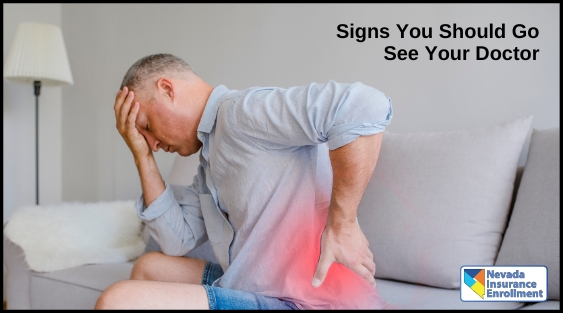
2) You Have Regular Back Pain
With so many of us spending hours a day in front of a computer, back pain is not an unusual complaint. Oftentimes, improving your posture and taking breaks throughout the day can greatly improve how you feel. However, back pain can also signal a kidney infection, slipped discs, pelvic inflammatory disease, or many other medical complications.
3) Your Cold Is Worse Than Usual
If you have a cold that gets unusually bad or develop a persistent cough that lasts longer than two weeks, seek professional help. This is especially true if you already have pre-existing conditions that are more likely to develop into additional serious complications, such as having a heart condition, diabetes, pregnant, or if you are over 65 years old.

4) You Experience Unexpected Weight Loss
Most people love the idea of losing weight without putting forth any effort, but if you experience sudden weight loss that cannot be explained with a change in your diet or exercise regimen, then it will be time to schedule a checkup.
5) If You Experience Pain in Your Chest or Abdomen
Persistent and intense chest, abdominal or pelvic pain can indicate an underlying condition that can worsen if not treated. Depending on where the pain is located, it can be a sign of gallstones, a kidney infection or even a heart attack. In these cases you would want to seek medical attention as soon as possible.
6) You Are Out of Breath After Normal Activities
If you are a little out of breath after an intense workout, you probably have no need to worry. However, if you experience shortness of breath during your normal day-to-day activities, then it may be time to meet with your doctor. This could indicate a condition such as COPD, emphysema, asthma or bronchitis, which your doctor can help you treat.
Finding Affordable Health Insurance Coverage with Nevada Insurance Enrollment
A trip to the doctor’s office to take care of an injury or illness could end up costing you hundreds of dollars or more out of pocket if you do not have health insurance. Fortunately, at Nevada Insurance Enrollment, our health insurance agents specialize in helping you find quality coverage that will not break the bank.
Please Note: We are not medical professionals, we recommend speaking with your doctor for any medical condition that develops.
Recent Posts

Does Auto Insurance Cover Riots?
No one wants to be victims of property damage resulting from rioting, and fortunately, auto insurance companies already have provisions for this risk in their coverage options. In fact, there is no need to purchase separate riot, vandalism and civil commotion coverage; if you have comprehensive auto insurance, you most likely have this coverage.
Various Tips to Protect and Maintain Your Car
According to Live Science, after being parked in the sun on a 95-degree day for an hour, the inside of a car hits an average of 116 degrees. The dashboard gets even hotter at 157 degrees, the surface of the steering wheel reaches an average of 127 degrees and the seats are a searing 123 degrees on average.
Why You Should Avoid a Lapse in Auto Insurance Coverage
n Nevada, auto insurance companies notify the Department of Motor Vehicles when you drop your auto insurance policy. If you have a lapse in your auto insurance coverage, even 1 day, it will be noted on your driving record. When this happens, you may be faced with a $250 dollar fine that will go up over time, and you can have your license suspended until you have auto insurance coverage again.
Search This Website
Most Popular Pages
By page visits (this month)
#1) Health Insurance Subsidy Chart
#2) Health Insurance
#3) Health Insurance WITH a Subsidy
#4) Insurance Blog
#5) Request a Quote
Top 5 Most Popular
By page visits (this month)
#1) Health Insurance Subsidy Chart
#2) Health Insurance
#3) Health Insurance WITH a Subsidy
#4) Insurance Blog Posts
#5) Request a Quote
Recent Posts
Auto Insurance Scams – How To Avoid Being Victimized
If you feel like you are victim of an insurance scam accident, first thing to do is call 911. Take pictures of the other passengers and make note of who is in the car at the time of the accident. Take pictures of the damage and who was driving and note exactly what happened, along with getting all license plate numbers involved.
Auto Insurance and Your Custom Car Audio System
Many drivers would not even consider looking into insurance coverage on an after-market audio system. There are a few things to consider, however. Is it covered by your auto insurance?
Your Auto Insurance and the “Hit and Run”
If your car was hit by someone and they do the legal/right thing by admitting it and paying for it, all is well. The “at fault” driver’s insurance will cover it under their property damage portion of their insurance for your car to be fixed. In the case that someone hits your beautiful new car while you are in the store and drives away, what do you do?
At Fault – If You Caused an Auto Accident
The responsibility of who pays what in Nevada is contingent on who’s at-fault in an auto accident. All drivers in Nevada have an obligation to drive their automobiles safely to reduce any risks of potential accidents. In Nevada, if you are the at-fault driver (the person that caused the accident), then you are responsible to “make whole” the individual or property you hit.